
The History of Flamenco: Origins, Music, Dance, and Cultural Roots
Flamenco is one of Spain’s most powerful and expressive art forms, combining passionate singing, rhythmic guitar playing, and dramatic dance. The history of flamenco is deeply connected to the cultural traditions of southern Spain, particularly the Andalusian region. Over centuries, this unique style evolved through the blending of diverse cultures, creating the vibrant music and dance tradition we know today.
Today flamenco is recognised worldwide as a symbol of Spanish culture and artistic expression. Understanding its history reveals how centuries of cultural exchange shaped this remarkable art form.
The Origins of Flamenco in Andalusia
Flamenco originated in Andalusia, a region in southern Spain known for its cultural diversity. The earliest forms of flamenco began developing between the 18th and early 19th centuries, though its influences date back much further.
Several cultures contributed to the creation of flamenco, including:
-
Romani (Gypsy) communities
-
Moorish musical traditions
-
Jewish Sephardic melodies
-
Traditional Andalusian folk music
The Romani people, who arrived in Spain in the 15th century, played a particularly important role in shaping flamenco’s emotional intensity and improvisational style. Their musical traditions merged with existing Andalusian music, giving rise to the distinctive sounds and rhythms associated with flamenco.
These early expressions of flamenco were often performed in private gatherings and family celebrations rather than public stages.
Cultural Influences That Shaped Flamenco
The development of flamenco reflects the long history of cultural interaction in southern Spain. Andalusia was a meeting point for many civilizations over centuries, each leaving its mark on the region’s music and art.
Moorish Influence
During the centuries of Islamic rule in Spain, Moorish musical traditions introduced complex melodies, ornamentation, and emotional vocal styles. These elements can still be heard in flamenco singing today.
Romani Contributions
The Romani people brought a powerful sense of rhythm, improvisation, and expressive storytelling. Their influence helped shape the intense emotional character of flamenco performance.
Andalusian Folk Music
Local Andalusian songs and dances contributed traditional rhythms and melodies that later became part of flamenco’s musical structure.
The blending of these traditions produced a distinctive style that continues to evolve while maintaining its deep cultural roots.
The Evolution of Flamenco Music
Flamenco music developed around three central elements:
-
Cante (singing)
-
Toque (guitar playing)
-
Baile (dance)
Originally, singing was the most important element of flamenco. Early performances featured powerful vocal expressions that conveyed themes of love, suffering, struggle, and joy.
As flamenco evolved, the guitar became an essential accompaniment. The instrument added rhythm, harmony, and intricate melodies that enhanced the emotional depth of the music.
Over time, performers began experimenting with new rhythms, techniques, and musical forms, expanding the possibilities of flamenco music.
The Role of the Flamenco Guitar
The flamenco guitar is one of the defining sounds of the genre. Although similar to the classical guitar, it has distinct characteristics designed for flamenco performance.
Flamenco guitar playing focuses on:
-
fast rhythmic strumming
-
percussive tapping techniques
-
complex fingerstyle patterns
-
expressive improvisation
Techniques such as rasgueado, picado, and golpe give flamenco guitar its powerful rhythmic drive.
Historically, the guitar evolved from being a simple accompaniment to becoming a solo instrument capable of virtuosic performances.
Many modern flamenco musicians continue to expand the possibilities of the instrument while preserving traditional styles.
To understand the instrument behind the music, read our guide on the History of Flamenco Guitar.
Contact Mike Rizk for Flamenco Guitar Lessons in Sydney and/or Online
Flamenco Dance: Expression Through Movement
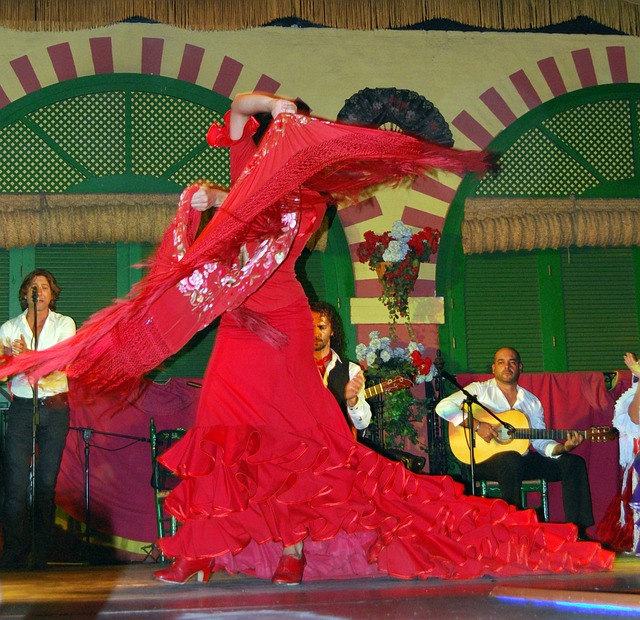
Flamenco dance is one of the most visually striking aspects of the art form. Known for its dramatic movements, precise footwork, and emotional intensity, flamenco dance transforms music into physical expression.
Key features of flamenco dance include:
-
rhythmic foot stamping (zapateado)
-
graceful arm and hand movements
-
dramatic posture and expression
-
interaction with the music and guitar
Male and female flamenco dancers often perform with different stylistic approaches. Female dancers traditionally emphasize elegant arm movements and flowing skirts, while male dancers highlight powerful footwork and sharp rhythmic patterns.
Flamenco dance performances often involve spontaneous interaction between dancers, singers, and guitarists, making every performance unique.
Flamenco Songs and Musical Forms
Flamenco music is organised into different styles known as palos. Each palo has its own rhythm, structure, and emotional character.
Some well-known flamenco palos include:
Soleá
A deeply emotional and serious form often considered one of the foundations of flamenco.
Bulerías
A fast and lively style known for its complex rhythms and improvisation.
Alegrías
A joyful and upbeat palo often associated with dance performances.
Fandangos
A versatile form that influenced many other flamenco styles.
These different musical forms give flamenco its rich variety of rhythms and moods.
Traditional Flamenco Attire
Flamenco performances are often accompanied by distinctive costumes that enhance the visual drama of the dance.
Traditional flamenco attire includes:
Flamenco Dresses
Women often wear colourful dresses with ruffles and long flowing skirts that accentuate dance movements.
Shawls and Accessories
Decorative shawls, flowers worn in the hair, and fans are commonly used during performances.
Men’s Costume
Male dancers typically wear fitted trousers, boots, and short jackets designed to highlight footwork and posture.
These costumes help create the striking visual identity associated with flamenco performances.
The Rise of Flamenco Cafés and Public Performances
In the 19th century, flamenco began moving from private gatherings into public venues known as cafés cantantes. These cafés provided stages where professional performers could showcase their music and dance.
The popularity of these venues helped flamenco gain recognition across Spain. Performers refined their techniques and developed new styles suited to public performances.
This period marked the transformation of flamenco from a local tradition into a professional performing art.
Flamenco in the Modern World
During the 20th century, flamenco gained international recognition. Musicians and dancers began touring globally, introducing audiences around the world to this powerful art form.
Modern flamenco artists have also experimented with new influences, incorporating elements from jazz, classical music, and world music.
Despite these innovations, traditional flamenco remains deeply respected, and many performers continue to study and preserve its historical roots.
Today flamenco is recognised by UNESCO as an Intangible Cultural Heritage of Humanity, highlighting its importance as a cultural tradition.
Why Flamenco Remains Important Today
Flamenco continues to inspire musicians, dancers, and audiences across the globe. Its emotional intensity, rhythmic complexity, and expressive storytelling make it one of the most distinctive musical traditions in the world.
For many performers, learning flamenco is not just about mastering techniques—it is about connecting with a centuries-old cultural heritage that celebrates passion, resilience, and artistic expression.
Conclusion
The history of flamenco is a story of cultural fusion, creativity, and artistic evolution. Emerging from the diverse traditions of southern Spain, flamenco grew into a powerful form of music and dance that resonates with audiences worldwide.
From its origins in Andalusia to modern international stages, flamenco continues to evolve while preserving the spirit and emotion that define this extraordinary art form.
Frequently Asked Questions About Flamenco
What is the origin of flamenco?
Flamenco originated in the Andalusian region of southern Spain. It developed between the 18th and 19th centuries through the cultural influences of Romani communities, Moorish music, Sephardic Jewish traditions, and Andalusian folk songs. These diverse influences blended together to form the unique musical style, dance, and singing tradition known as flamenco.
When did flamenco begin?
Although flamenco’s roots go back centuries, the art form began to take shape in its recognisable form during the late 1700s and early 1800s. During this time, flamenco started appearing in cafés and public performances, allowing professional singers, dancers, and guitarists to develop the style further.
What are the main elements of flamenco?
Flamenco is traditionally made up of three main elements:
Cante (singing) – emotional vocal performances that tell stories of love, hardship, and passion.
Toque (guitar playing) – rhythmic and melodic accompaniment played on the flamenco guitar.
Baile (dance) – expressive dance that combines intricate footwork, posture, and dramatic movement.
Together these elements create the powerful performance style that defines flamenco.
What are flamenco palos?
Flamenco music is organised into different styles known as palos. Each palo has its own rhythm, structure, and mood. Some of the most well-known palos include:
-
Soleá – slow and emotional
-
Bulerías – fast and energetic
-
Alegrías – joyful and rhythmic
-
Fandangos – versatile and widely performed
These musical forms provide the foundation for flamenco singing, guitar playing, and dance.
What makes flamenco guitar different from classical guitar?
Flamenco guitars are similar in shape to classical guitars but are designed for a brighter, more percussive sound. Flamenco guitar playing uses special techniques such as rasgueado (rapid strumming), picado (fast single-note runs), and golpe (tapping on the guitar body) to create strong rhythms that support dance and singing.
Is flamenco only a dance?
Many people associate flamenco mainly with dance, but it is actually a complete art form that includes singing, guitar music, and rhythm. In fact, the earliest forms of flamenco focused primarily on singing before the dance element became widely popular.
Where is flamenco most popular today?
Flamenco remains strongly associated with southern Spain, particularly the region of Andalusia. Cities such as Seville, Granada, and Jerez are famous for their flamenco traditions. Today flamenco is also performed around the world and has become an internationally recognised symbol of Spanish culture.
Why is flamenco culturally important?
Flamenco represents centuries of cultural exchange in Spain. It reflects the history, emotions, and traditions of the communities that shaped it. Because of its cultural significance, UNESCO recognised flamenco as an Intangible Cultural Heritage of Humanity in 2010.