
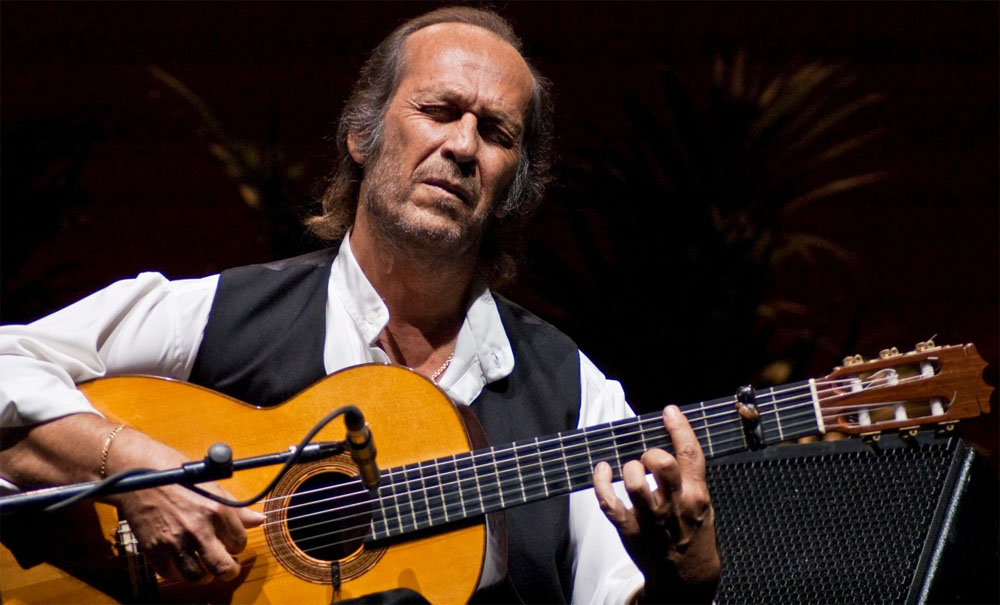
The History of Flamenco Guitar
The history of flamenco guitar is closely connected to the development of flamenco music and culture in southern Spain. Known for its rhythmic intensity, percussive techniques, and expressive melodies, the flamenco guitar has become one of the most distinctive instruments in the world of traditional music.
Although the guitar itself has ancient origins, the flamenco style of playing developed in the Andalusian region of Spain during the 18th and 19th centuries. Over time, flamenco guitar evolved from a simple accompaniment instrument into a virtuosic solo instrument capable of remarkable speed, emotion, and rhythmic complexity.
Understanding the history of flamenco guitar reveals how cultural influences, musical innovation, and legendary performers shaped this powerful musical tradition.
Read our article on the History of Flamenco
Origins of the Flamenco Guitar
The guitar has existed in various forms for hundreds of years, but the instrument used in flamenco developed primarily in Spain. Early Spanish guitars evolved from instruments such as the vihuela and the baroque guitar, which were popular during the Renaissance and Baroque periods.
During the 18th century, guitar construction began to change, leading to the development of the modern Spanish guitar. Luthiers improved the instrument’s design, giving it a stronger body and more resonant sound.
In Andalusia, the guitar became closely associated with emerging flamenco traditions. Initially, flamenco music relied heavily on singing, known as cante. The guitar was used mainly to accompany singers and provide rhythmic support for dancers.
Over time, musicians began developing new techniques that transformed the guitar into a central element of flamenco performance.
Andalusia: The Birthplace of Flamenco Guitar
The Andalusian region of southern Spain is widely recognised as the birthplace of flamenco music and guitar playing. Cities such as Seville, Cádiz, Granada, and Jerez de la Frontera played important roles in shaping flamenco culture.
Flamenco developed through the interaction of several cultural influences, including:
-
Romani (Gypsy) musical traditions
-
Moorish musical heritage
-
Sephardic Jewish melodies
-
Andalusian folk music
These influences combined to create the emotional singing style and rhythmic complexity that define flamenco music.
As flamenco singing and dance evolved, guitarists began adapting their playing to match the rhythms and dramatic expressions of the performers. This collaboration between singers, dancers, and guitarists became the foundation of flamenco performance.
The Rise of Flamenco Guitar in Public Performances
In the 19th century, flamenco began to move from private gatherings into public venues known as cafés cantantes. These cafés featured live performances where singers, dancers, and guitarists entertained audiences.
This period marked an important turning point in the history of flamenco guitar. Guitarists were required to develop stronger rhythmic control and more expressive playing to support professional performances.
The guitar gradually became more prominent, and performers started exploring new techniques that expanded the instrument’s musical possibilities.
These cafés helped popularise flamenco across Spain and allowed flamenco guitarists to refine their craft in front of larger audiences.
Flamenco Guitar Techniques
One of the defining characteristics of flamenco guitar is its unique set of playing techniques. These techniques give the music its distinctive rhythmic drive and dynamic sound.
Some of the most important flamenco guitar techniques include:
Rasgueado
Rasgueado is a rapid strumming technique performed with the fingers of the right hand. This technique produces a powerful rhythmic effect and is essential for accompanying flamenco dance.
Picado
Picado involves fast, alternating strokes with the index and middle fingers to play quick melodic lines. Skilled guitarists can perform extremely fast passages using this technique.
Golpe
Golpe is a percussive tapping technique where the guitarist strikes the body of the guitar with the fingers while playing. This creates a rhythmic accent that complements the dancer’s footwork.
Alzapúa
Alzapúa is a thumb technique that allows guitarists to play fast rhythmic passages using a combination of plucking and strumming.
These techniques help create the energetic and dramatic sound associated with flamenco guitar.
The Difference Between Flamenco and Classical Guitar
Although flamenco and classical guitars appear similar, they have several important differences.
Flamenco guitars are typically built with lighter wood and lower string action, which allows players to perform fast techniques more easily. The lighter construction also produces a brighter, more percussive sound.
Classical guitars, on the other hand, are designed for a warmer and more sustained tone, which is better suited for classical music.
Flamenco guitarists also tend to play with a more aggressive and rhythmic style, emphasising rhythm and accompaniment for singers and dancers.
These differences give flamenco guitar its unique sound and character.
Famous Flamenco Guitarists
Throughout history, many musicians have contributed to the development and popularity of flamenco guitar. Their innovations helped transform the instrument into a respected solo art form.
Paco de Lucía
One of the most influential flamenco guitarists of all time, Paco de Lucía revolutionised the instrument by expanding its technical and musical possibilities. His recordings introduced flamenco to international audiences and inspired generations of guitarists.
Sabicas
Sabicas was another legendary flamenco guitarist who helped popularise flamenco music worldwide. His virtuosic playing demonstrated that flamenco guitar could stand on its own as a solo instrument.
Manitas de Plata
Manitas de Plata gained worldwide fame for his energetic performances and recordings. His playing style helped bring flamenco music to global audiences during the 20th century.
These artists played a crucial role in shaping modern flamenco guitar.
Flamenco Guitar in the 20th Century
During the 20th century, flamenco guitar underwent significant changes. Recordings, radio, and international tours allowed flamenco musicians to reach audiences far beyond Spain.
At the same time, guitarists began experimenting with new musical influences, including jazz and classical music.
These innovations expanded the expressive range of flamenco guitar while maintaining its traditional roots.
The guitar became increasingly prominent in flamenco performances, often taking on a leading role alongside singers and dancers.
Modern Flamenco Guitar
Today, flamenco guitar continues to evolve as musicians explore new techniques and musical styles. Contemporary performers often blend traditional flamenco with elements from other genres, creating exciting new interpretations of the music.
Despite these innovations, traditional flamenco techniques and rhythms remain central to the art form. Many musicians continue to study the historical foundations of flamenco guitar while developing their own unique styles.
Flamenco guitar is now taught and performed around the world, reflecting its lasting cultural influence and musical appeal.
Conclusion
The history of flamenco guitar is a story of cultural fusion, artistic innovation, and passionate musical expression. Emerging from the traditions of southern Spain, flamenco guitar evolved from a simple accompaniment instrument into one of the most dynamic and respected styles of guitar playing.
Through the contributions of skilled performers, the development of unique techniques, and the global spread of flamenco music, the flamenco guitar has become an enduring symbol of Spanish culture.
Today, flamenco guitar continues to inspire musicians and audiences worldwide, preserving a rich tradition while embracing new possibilities for the future.
Frequently Asked Questions About Flamenco Guitar
What is a flamenco guitar?
A flamenco guitar is a type of Spanish guitar designed specifically for flamenco music. It is usually lighter than a classical guitar and produces a brighter, more percussive sound. Flamenco guitars are built to allow fast playing techniques and strong rhythmic accompaniment for singers and dancers.
What is the origin of flamenco guitar?
The flamenco guitar developed in the Andalusian region of southern Spain during the 18th and 19th centuries. It evolved from earlier Spanish instruments such as the vihuela and baroque guitar. As flamenco music developed, guitarists began creating new techniques and rhythms that became essential to the flamenco style.
What makes flamenco guitar different from classical guitar?
Although they look similar, flamenco guitars are built differently from classical guitars. Flamenco guitars typically have lighter construction and lower string action, which makes fast techniques easier to play. They also produce a brighter sound that works well with flamenco dance and singing.
What are common flamenco guitar techniques?
Flamenco guitarists use several unique techniques that give the music its distinctive sound. Some of the most common techniques include rasgueado (rapid strumming), picado (fast melodic runs), golpe (tapping on the guitar body for percussion), and alzapúa (a powerful thumb technique used for rhythmic passages).
Who are some famous flamenco guitarists?
Many musicians have influenced the development of flamenco guitar. Some of the most famous flamenco guitarists include Paco de Lucía, Sabicas, and Manitas de Plata. Their recordings and performances helped bring flamenco music to international audiences.
Is flamenco guitar used only in flamenco music?
Flamenco guitar is most closely associated with traditional flamenco music, but many modern musicians use flamenco techniques in other styles. Elements of flamenco guitar can be heard in world music, jazz fusion, and contemporary acoustic guitar performances.
Is flamenco guitar difficult to learn?
Flamenco guitar can be challenging to learn because it requires strong rhythm, finger independence, and specialized techniques. However, with regular practice and proper guidance, beginners can gradually develop the skills needed to play flamenco rhythms and melodies.
Why is flamenco guitar important to flamenco music?
Flamenco guitar provides the rhythmic and harmonic foundation of flamenco music. It supports the singer and dancer while also adding expressive melodies and improvisation. Over time, the flamenco guitar has become one of the most recognizable and important elements of the flamenco tradition.
Experience Flamenco Guitar Live with Mike Rizk
The flamenco guitar is not only a historical instrument but also a living, breathing art form. To truly appreciate its rhythms, techniques, and emotional depth, there’s nothing like hearing it performed live.
Mike Rizk brings the history and passion of flamenco guitar to life with performances that combine traditional Andalusian styles with modern flair. From intimate gatherings to large events, Mike’s performances immerse audiences in the rich cultural legacy of flamenco.
Why Book a Performance?
-
Authentic flamenco guitar techniques, including rasgueado, picado, and golpe
-
Dynamic performances tailored to your event, from weddings to cultural festivals
-
Experience spanning both solo and collaborative performances with dancers or singers
-
Professional and engaging stage presence that connects with every audience
Hearing the flamenco guitar live allows you to feel the rhythm, see the intricate techniques, and experience the emotion that has defined this Spanish art form for centuries.
Bring the Spirit of Andalusia to Your Event
Enhance your next gathering with a live flamenco guitar performance. Whether you want a solo recital, accompany flamenco dancers, or provide a cultural highlight, Mike Rizk delivers a memorable experience steeped in the history and tradition of flamenco.
Learn Flamenco Guitar with Mike Rizk
The traditions of flamenco guitar continue to be passed down through dedicated musicians and teachers. Learning flamenco guitar is a great way to understand the rhythms, techniques, and cultural roots that define this powerful style of music.
With guidance from Mike Rizk, students can explore the essential elements of flamenco guitar, including rhythmic compás, traditional chord progressions, and classic techniques such as rasgueado, picado, and golpe.
Lessons are suitable for beginners through to advanced guitarists and focus on building strong rhythm, technique, and musical expression while learning authentic flamenco styles.
If you are inspired by the history and sound of flamenco guitar, consider taking flamenco guitar lessons with Mike Rizk and begin developing the skills behind this remarkable musical tradition. Contact Mike today!
Great post.