
What Is a Flamenco Guitar? A Complete Guide
A flamenco guitar is a type of acoustic guitar specifically designed for flamenco music. While it looks similar to a classical guitar, the construction, sound, and playing style are quite different.
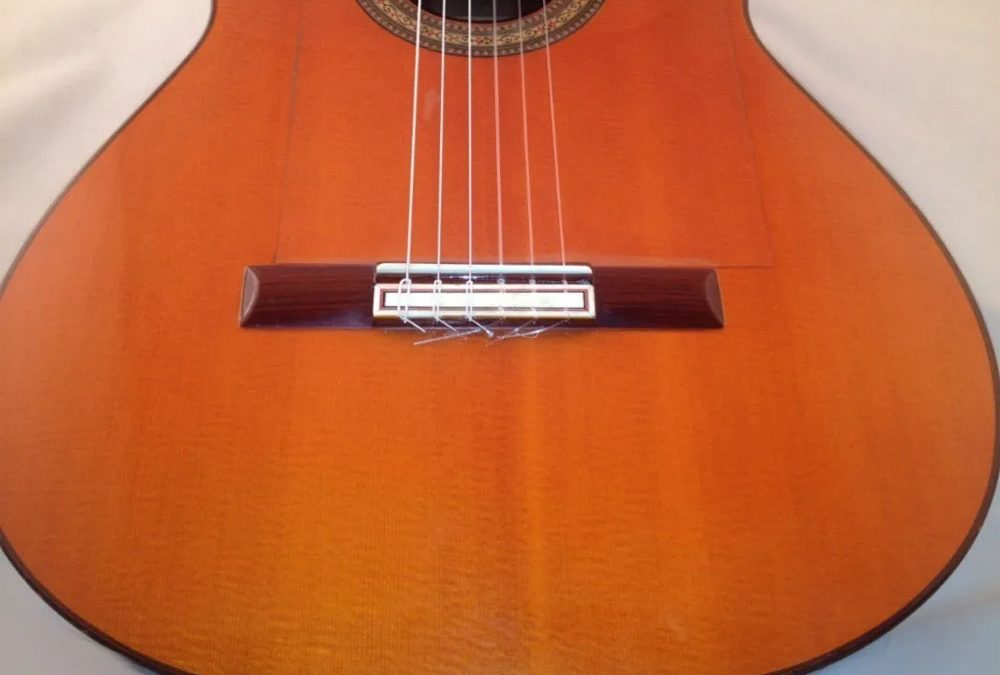
Flamenco guitars are built to produce a brighter, more percussive tone that suits the rhythmic and expressive style of flamenco music. They are typically lighter, have lower string action, and include a protective tap plate called a golpeador.
Professional flamenco guitarists use these guitars for techniques such as rasgueado, golpe, and fast melodic runs.
In this guide, we will explain what a flamenco guitar is, how it differs from a classical guitar, and what makes it unique.
Key Characteristics of a Flamenco Guitar
Flamenco guitars are designed to produce a fast, bright, and percussive sound that complements the rhythm of flamenco music.
Several design features distinguish them from other acoustic guitars.
1. Lighter Construction
Flamenco guitars are generally lighter than classical guitars. This lighter build allows the guitar to respond quickly to the player’s touch, producing the sharp attack needed for flamenco rhythm.
2. Lower String Action
The strings sit closer to the fretboard on a flamenco guitar. This lower action makes it easier to play fast passages and traditional flamenco techniques.
3. Bright Percussive Tone
Unlike the warm and rounded sound of a classical guitar, a flamenco guitar produces a brighter, more aggressive tone. This helps the guitar cut through dancing, singing, and percussion.
4. Golpeador (Tap Plate)
Most flamenco guitars have a protective tap plate called a golpeador on the soundboard. Flamenco players tap this area with their fingers to create rhythmic percussion while playing.
Flamenco Guitar vs Classical Guitar
Although flamenco and classical guitars look similar, they are designed for different styles of music.
| Feature | Flamenco Guitar | Classical Guitar |
|---|---|---|
| Sound | Bright and percussive | Warm and rounded |
| Action | Lower | Higher |
| Weight | Lighter | Heavier |
| Purpose | Flamenco music | Classical repertoire |
These differences allow flamenco players to perform rapid rhythmic techniques that would be more difficult on a classical guitar.
Types of Flamenco Guitars
Flamenco Blanca
The flamenco blanca is the traditional flamenco guitar. It is usually made with a spruce top and cypress back and sides.
This combination produces a bright, punchy sound that is perfect for traditional flamenco styles.
Flamenco Negra
The flamenco negra is a slightly heavier flamenco guitar often made with rosewood back and sides.
It produces a deeper tone while still maintaining the fast response needed for flamenco playing.
Woods Used in Flamenco Guitars
The choice of wood greatly affects the sound of a flamenco guitar.
Common woods include:
-
Spruce – bright and responsive tone
-
Cypress – traditional flamenco sound
-
Rosewood – deeper and richer tone
-
Spanish cedar – used for the neck
These woods help produce the distinctive flamenco guitar sound.
Famous Flamenco Guitarists
One of the most influential flamenco guitarists in history is Paco de Lucía.
He revolutionized flamenco guitar playing and brought the instrument to international audiences. His recordings and performances inspired generations of flamenco musicians.
Can You Play Flamenco on a Classical Guitar?
Yes, it is possible to play flamenco music on a classical guitar. However, the higher string action and warmer tone of a classical guitar make traditional flamenco techniques more difficult.
A true flamenco guitar provides the fast response and bright sound that flamenco music requires.
Frequently Asked Questions
What makes a flamenco guitar different?
Flamenco guitars are lighter, have lower string action, and produce a brighter, more percussive sound than classical guitars.
Why do flamenco guitars have a tap plate?
The tap plate protects the guitar when players perform rhythmic tapping techniques known as golpes.
Are flamenco guitars easier to play?
The lower action can make them easier for fast playing, but flamenco techniques require significant skill and practice.
Conclusion
A flamenco guitar is a specialized acoustic guitar built for the rhythmic and expressive style of flamenco music. With its lighter construction, bright tone, and percussive playing techniques, it differs significantly from a classical guitar.
Whether you are a musician, a flamenco enthusiast, or simply curious about the instrument, understanding these features helps explain why the flamenco guitar is such an essential part of Spanish musical tradition.
Book Flamenco Guiarist
Contact Mike Rizk to discuss your event
Flamenco Guitar Lessons
Contact Mike Rizk for Flamenco Guitar Lessons in Sydney